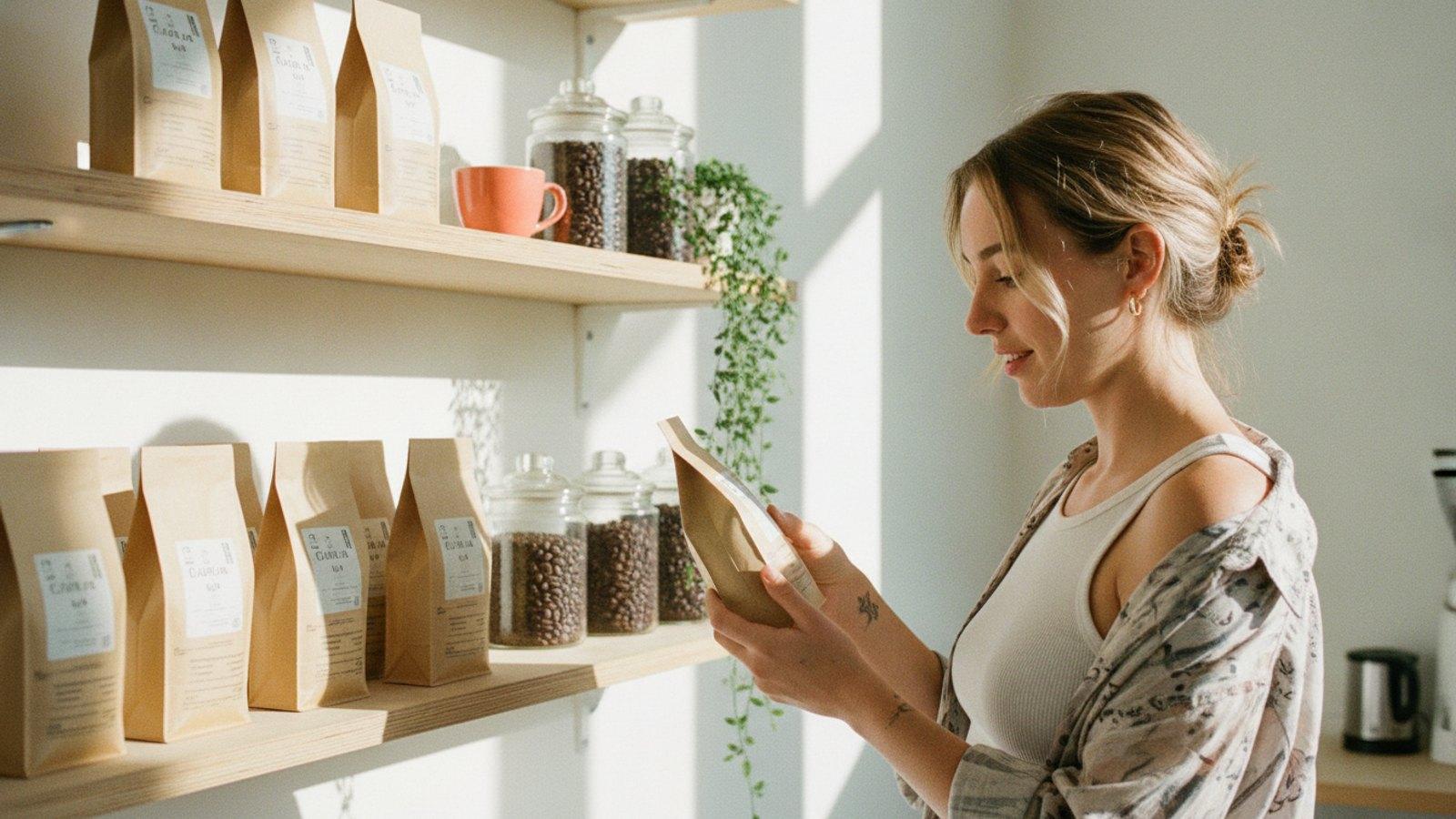
To choose coffee beans you'll actually enjoy, start with the roast date — look for a bag roasted within the last three weeks. From there, pick a roast level that matches your taste (a medium roast is the safest start) and decide between a single origin and a blend. Then buy whole beans and grind them fresh: that one habit is the single biggest jump in flavour a beginner will taste, bigger than which bag you reach for.
My own coffee started life in a supermarket trolley — a bag of pre-ground, scooped into a machine and drunk without much thought. It was fine. It was also, I'd find out later, a faded version of what those same beans could have tasted like. So this is the guide I wish someone had handed me back then: what to look at on the bag, what to ignore, and where to find a fresh one here in South Africa.
What "specialty coffee" actually means
Specialty coffee is coffee that's been graded and scored 80 points or higher on the Specialty Coffee Association's 100-point scale. Trained tasters cup the coffee and score it across categories like aroma, flavour, acidity, body and sweetness, and only beans that clear that 80-point bar earn the "specialty" label. In plain terms, it's the top slice of the world's coffee — grown with care, picked ripe, and traceable back to a farm or region rather than blended into an anonymous commodity lot.
That traceability is why a specialty bag tells you so much: the country, sometimes the farm, the processing method, the roast date. A tin of instant tells you almost nothing. I won't go deeper here, because the rise of specialty coffee in South Africa is its own story — but that 80-point line is the thing to hold onto.
Roast date: the one label that really matters
If you read nothing else on the bag, read the roast date. Coffee is a fresh product, like bread, not a tinned one — it has a window where it tastes its best, and that window is short. As a rule of thumb, drink your beans somewhere between three days and three weeks after roasting, and treat anything past about six weeks as well over the hill.
A friend of mine, a proper coffee aficionado, was the one who drummed this into me. His advice was blunt, and it stuck:
"Don't buy a bag unless it has a roast date on it, and don't let that date be older than three weeks. Everything else you can fuss about later."
He was right, and it changed how I shop. A good South African roaster prints a roast date on every bag — Father Coffee, Rosetta Roastery, Bean There, Truth Coffee and Sorcery Coffee Roasters all do. If a bag only carries a "best before" date a year out, that's a commodity tin in disguise, and you can put it back.
It's the same idea behind the 15-15-15 rule, a freshness shorthand traded among coffee people: green, unroasted beans stay good for about 15 months; once roasted, they're at their best for around 15 days; and once ground, they start losing the good stuff within 15 minutes. The numbers aren't gospel — plenty of beans drink well past day fifteen — but they capture the direction of travel: every step closer to your cup, the clock runs faster.
Why fresh whole beans beat pre-ground
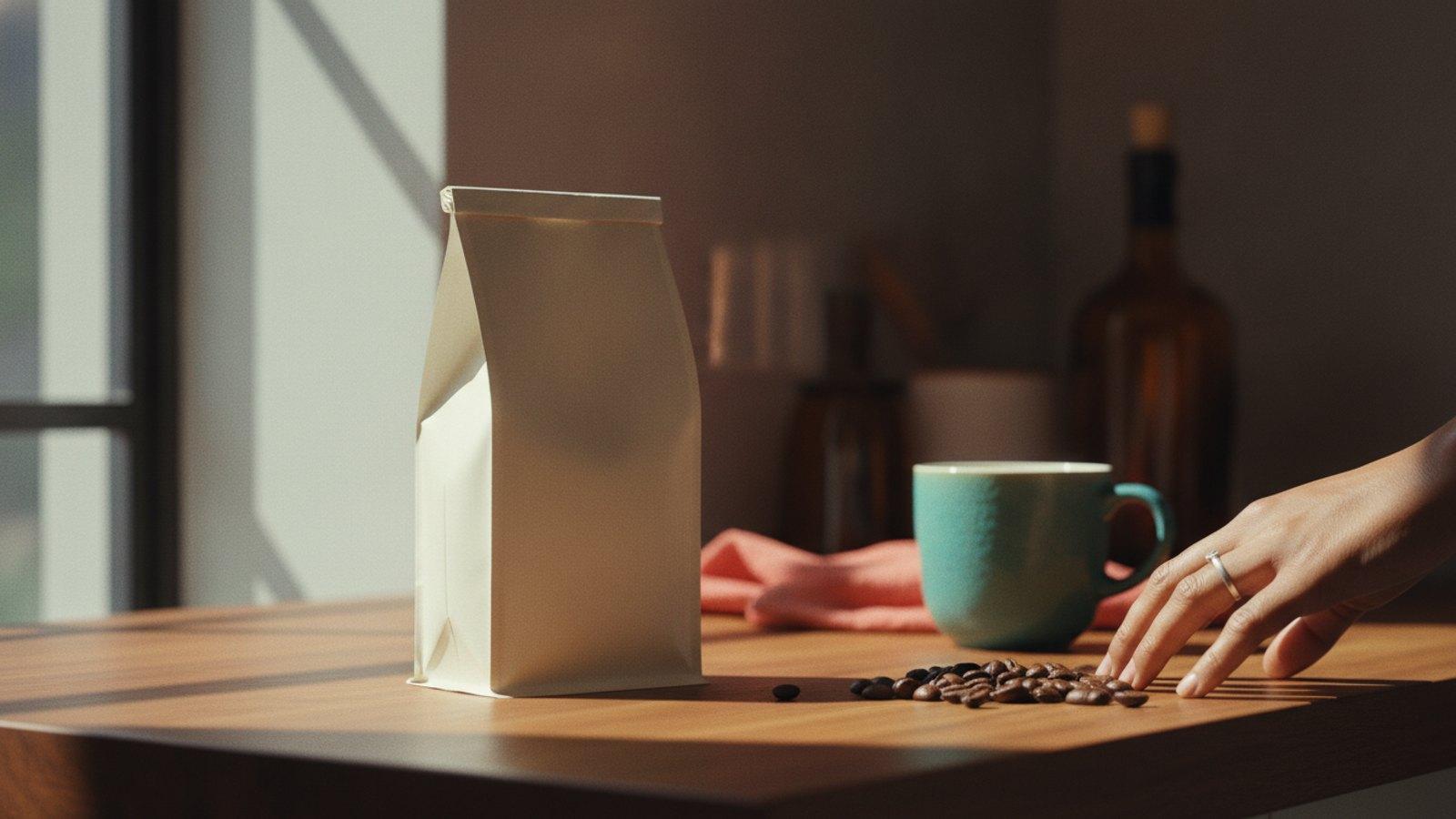
This was the part I couldn't explain for the longest time. When I finally switched from pre-ground to buying whole beans and grinding them just before brewing, the difference was obvious and immediate — more aroma, more sweetness, a cup that tasted alive instead of flat. I was sold on the result long before I understood the cause. I genuinely didn't know why it worked; I just knew it did.
The why turns out to be simple chemistry. Roasting fills the bean with carbon dioxide, and over the days and weeks afterwards that CO₂ slowly works its way out — a process roasters call degassing. While it's still locked in the bean, the CO₂ acts as a kind of shield, holding the volatile aromatic compounds in and keeping oxygen out. Freshness is really a race against that oxygen: as the gas escapes, air moves in, reacts with the bean's oils and aromatics, and the flavours that made the coffee special quietly oxidise away. Once they're gone, no brewing trick brings them back.
Grinding pours petrol on the fire. A whole bean has very little surface exposed to air; grind it and you expose thousands of tiny surfaces at once. The numbers are stark — ground coffee sheds roughly 60 to 70% of its remaining CO₂ almost immediately, so the aromatics that took weeks to fade from a whole bean can largely vanish within minutes. That's the real reason supermarket pre-ground tastes muted: it was ground in a factory, sealed, shipped and shelved, and by the time it reaches your kitchen the best of it has long since gassed off. Keep the beans whole until the moment you brew, and you keep the flavour where it belongs.
Roast level: light, medium or dark
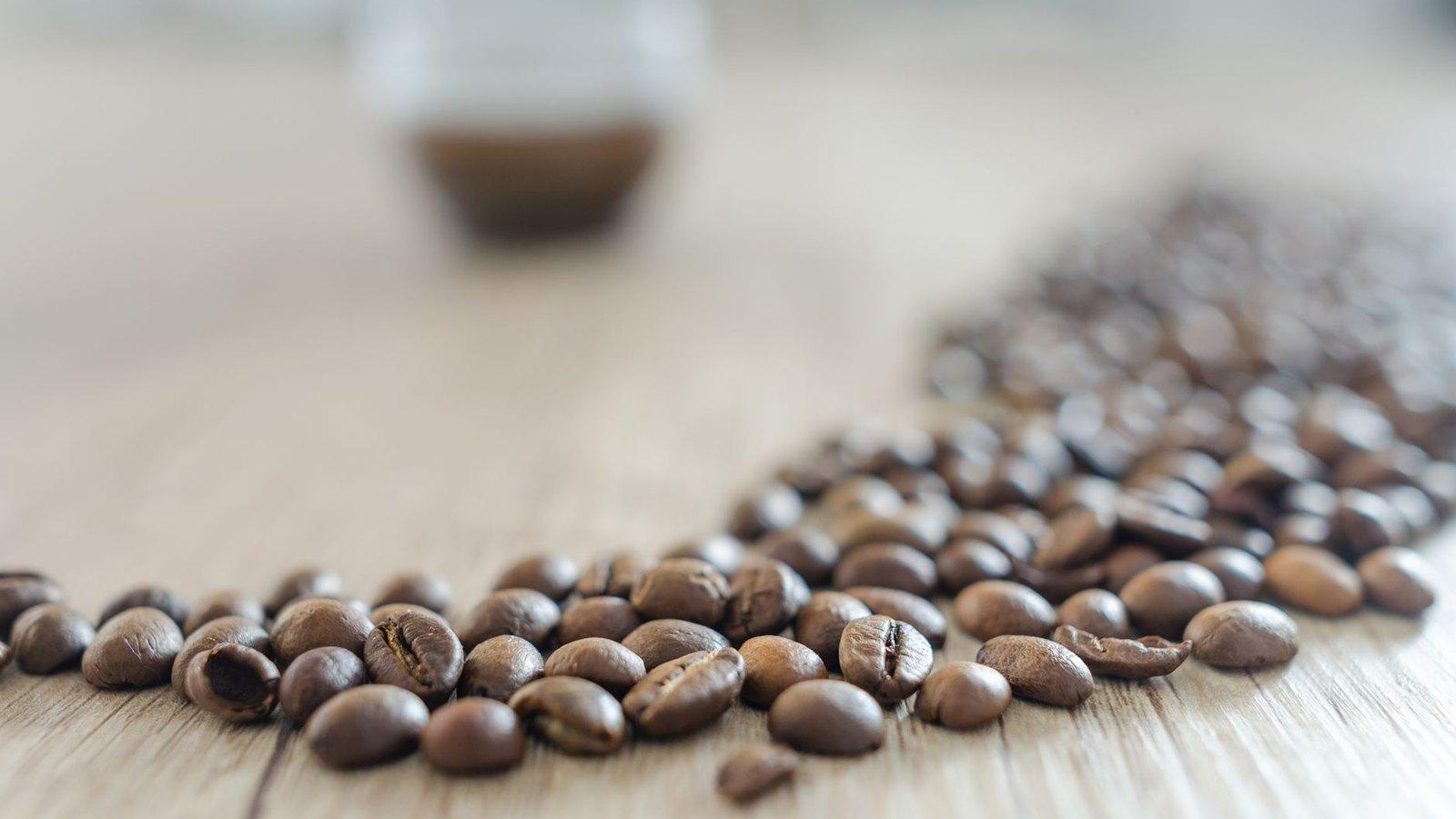
Roast level is the next call, and it's mostly about taste, not quality. Lighter roasts keep more of the bean's origin character — the fruit, the florals, the bright acidity. Darker roasts trade that brightness for heavier, rounder notes of chocolate, toffee and toasted nuts, and they read as less acidic on the tongue. Medium sits in the comfortable middle:
- LLight roast — brighter, more acidic, tea-like; shows off fruity and floral flavours.
- MMedium roast — balanced, sweet, nutty and chocolatey; the crowd-pleaser.
- DDark roast — bold, smoky, low in acidity; closest to what most people grew up drinking.
For a first specialty bag, start with a medium roast. It's the most forgiving across brew methods, it's sweet and approachable, and it won't punish a slightly off grind the way a delicate light roast can. Once you know what you like, you can wander toward the bright end or the bold end on purpose. If you want the full picture of how roast changes the cup, light vs dark roast breaks it down properly.
Single origin or blend?
A single origin is coffee from one place — one country, region, often one farm — so it tastes of that place: an Ethiopian might be all jasmine and citrus, a Colombian rounder and caramel-sweet. A blend mixes beans from several origins to build a consistent, balanced flavour the roaster can repeat batch after batch.
For a beginner, the quick steer is this: if you drink your coffee with milk, lean toward a blend, because blends are usually built to stay bold and sweet through milk. If you drink it black, try a single origin — that's where the distinct, interesting flavours come through clearest. Neither is "better", and there's a fuller piece on this coming, but that's enough to choose your first bag without overthinking it.
What the tasting notes actually mean
This one trips up nearly every beginner, so it's worth saying plainly: when a bag reads "notes of chocolate, caramel and orange", that is not flavoured coffee. Nobody added chocolate or orange. Those words describe flavours the taster actually found in the cup — naturally occurring ones, the way you'd call a wine "blackcurrant" without anyone tipping berries into the barrel. They come from the bean's variety, where it grew, how the cherry was processed (a washed coffee tastes cleaner and brighter, a natural one fruitier and wilder), and how it was roasted.
So a Brazilian marked "chocolate, hazelnut, brown sugar" will taste rich and dessert-like, and completely unsweet unless you add sugar yourself. An Ethiopian marked "blueberry, jasmine, lemon" will taste bright and tea-like, not like fruit juice. Read the notes as a flavour forecast rather than an ingredients list, and they turn into a genuinely useful way to pick something you'll like.
Match the beans to how you brew
Your brewer should steer your bag, because different methods flatter different beans. If you brew with a coffee plunger — a French press, in the rest of the world — its full-immersion style loves a sweet, chocolatey medium roast and brings out lovely body. A moka pot brews hot and under pressure, so it sings with a medium to medium-dark roast and can turn a bright, fruity light roast harsh. A pour over, by contrast, rewards the delicate light roasts that a moka pot would bully.
You don't need to memorise a chart. Just know that a versatile medium roast is the safe bet across almost every home method, which is one more reason it's the right first bag.
Where to buy your first bag in South Africa
You've got three realistic options here, and they're not equal. The supermarket is where most of us start — it's where I started — and the whole-bean specialty bags now turning up in Woolworths and Checkers are a real step up from the instant aisle, even if freshness is a gamble. A local roaster, whether their own café or their online shop, is the better bet: the beans were roasted recently, the date's on the bag, and you can ask a human what suits your brewer. Beyond that, ordering direct from roasters around the country opens up far more than your nearest shelf ever will.
On price, a 250g bag of South African specialty beans runs roughly R90 to R160, depending on the roaster and the origin. That's more than a supermarket tin, true — but it works out to a few rand a cup, and next to a single café flat white it's nothing. Buy 250g rather than a kilo while you're still working out what you like; the goal is to finish the bag inside that three-week window, not nurse a stale kilo for two months.
If you take just one thing from all this, make it the roast date. It's the only label a beginner really needs to fuss over: get a fresh bag of whole beans and you've already won most of the flavour, before origin, process or tasting notes come into it at all. Everything else on this page is refinement sitting on top of that single decision.
So that's where to begin. Find a roaster near you, choose the freshest bag with a date you can actually read, reach for a medium roast, and grind it just before you brew. Our roaster directory is built for exactly that — sort by where you are and find someone roasting close to home, so the bag in your cupboard is days old, not months. Fresh beans were the thing that finally made my coffee taste like the bag promised — and the same is waiting for you.